
-
-
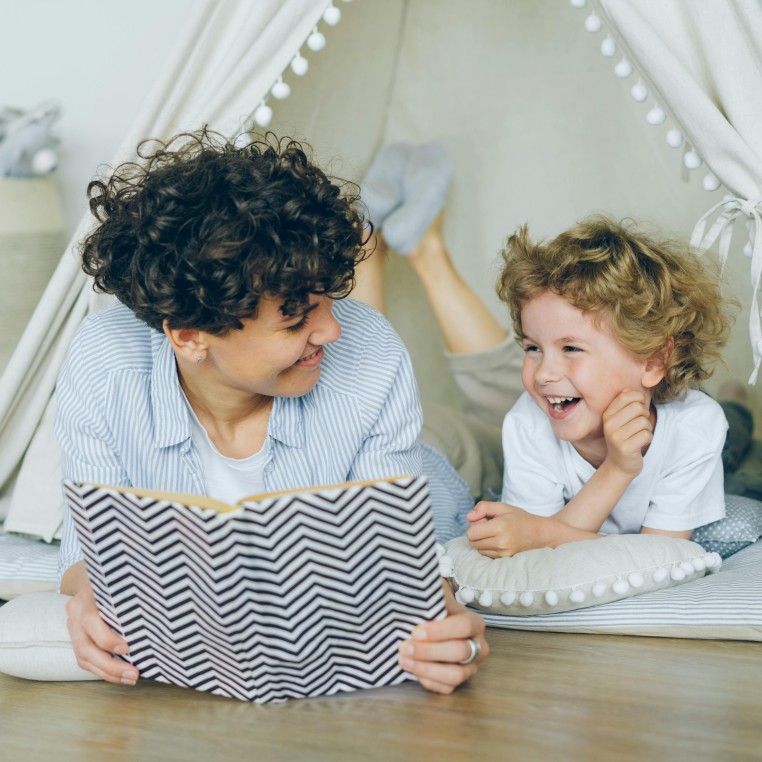
7 Children’s Books About Sukkot
"Have you ever wondered about the marvelous hut some people build for Sukkot? Do you decorate a sukkah with your family? Are you interested in celebrating Sukkot but not sure where to start?
Grab one of these adorable children’s books to learn more."
-
-
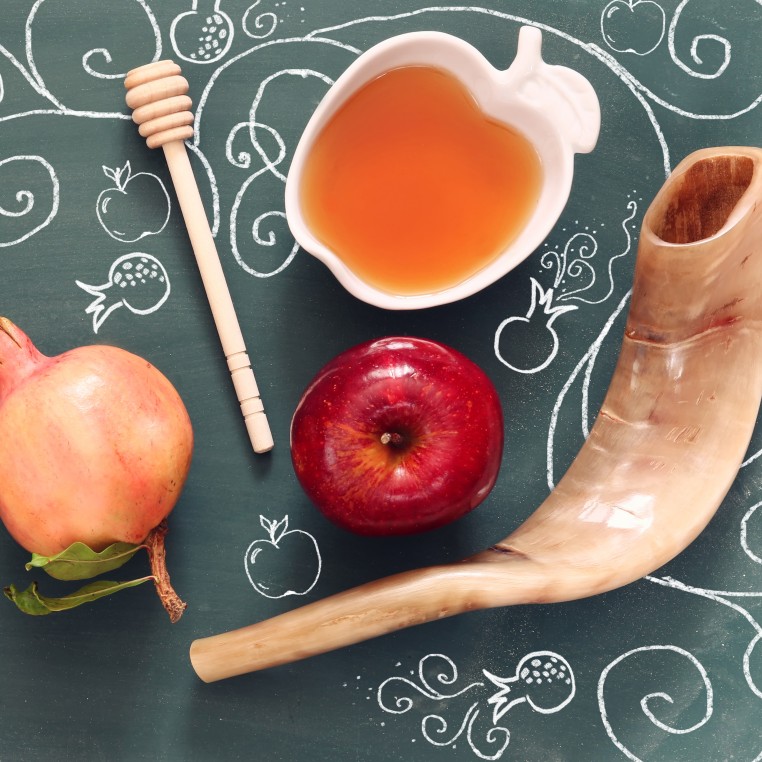
Yom Kippur 101
"The culmination of the Yamim Noraim (Days of Awe) is the fast day of Yom Kippur (The Day of Atonement). This is the day at the conclusion of which, according to tradition, God seals the Books of Life and Death for the coming year. The day is devoted to communal repentance for sins committed over the course of the previous year. Because of the nature of Yom Kippur and its associated rituals, it is the most solemn day in the Jewish calendar."
-
-
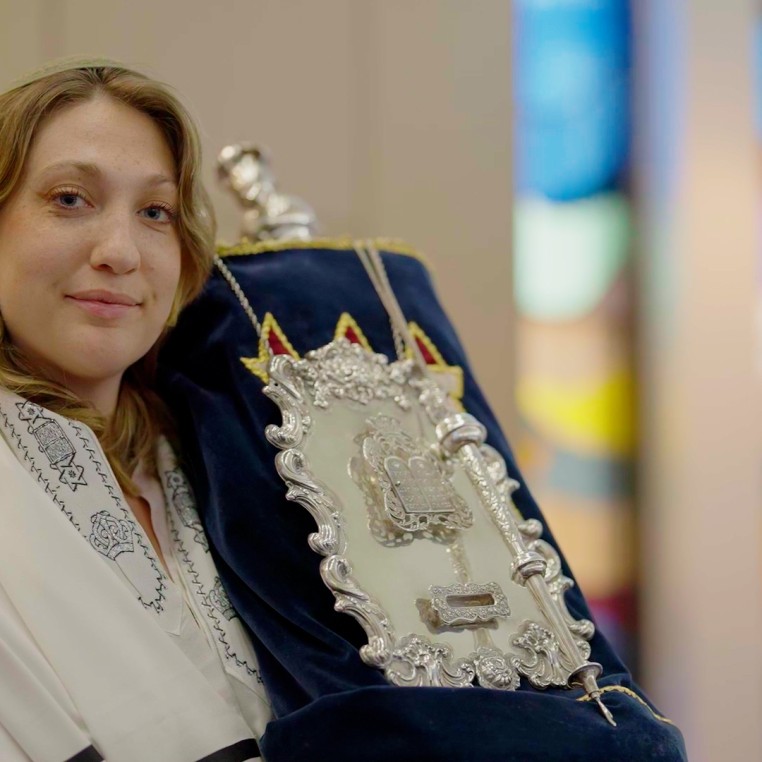
Sukkot 101
"Beginning five days after Yom Kippur, Sukkot is named after the booths or huts (sukkot in Hebrew) in which Jews are supposed to dwell during this week-long celebration. According to rabbinic tradition, these flimsy sukkot represent the huts in which the Israelites dwelt during their 40 years of wandering in the desert after escaping from slavery in Egypt. The festival of Sukkot is one of the three great pilgrimage festivals (chaggim or regalim) of the Jewish year."
-
-
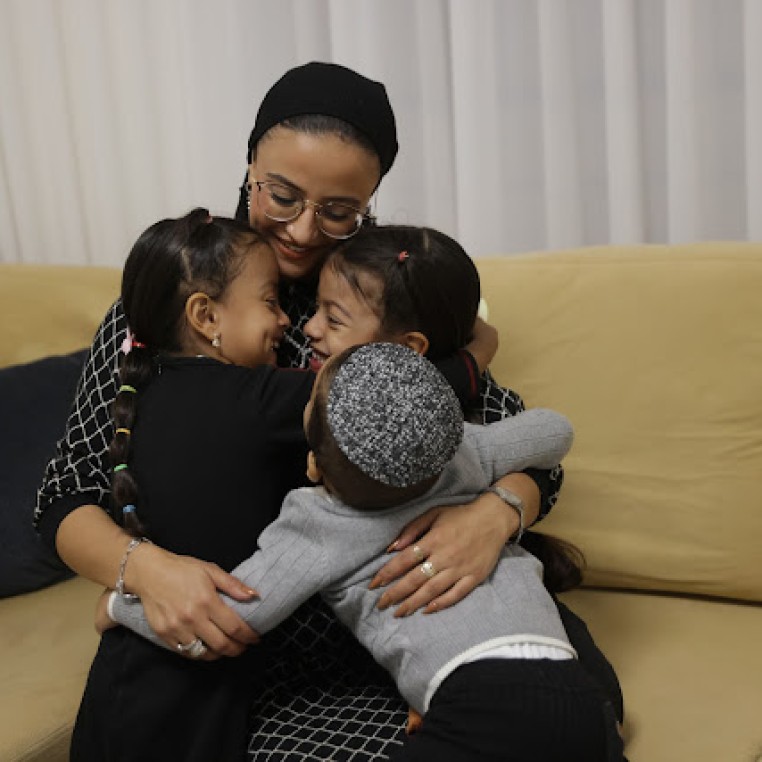
Shemini Atzeret / Simchat Torah 101
"Coming at the conclusion of Sukkot are the two holidays of Shemini Atzeret and Simchat Torah . In Israel and among liberal Jews they are combined into one holiday on the day after the conclusion of Sukkot . Among more traditional Jews outside of Israel, they are observed separately from one another on two consecutive days. Shemini Atzeret means the “Eighth Day of Assembly,” while Simchat Torah means “Rejoicing in Torah.”
-
-
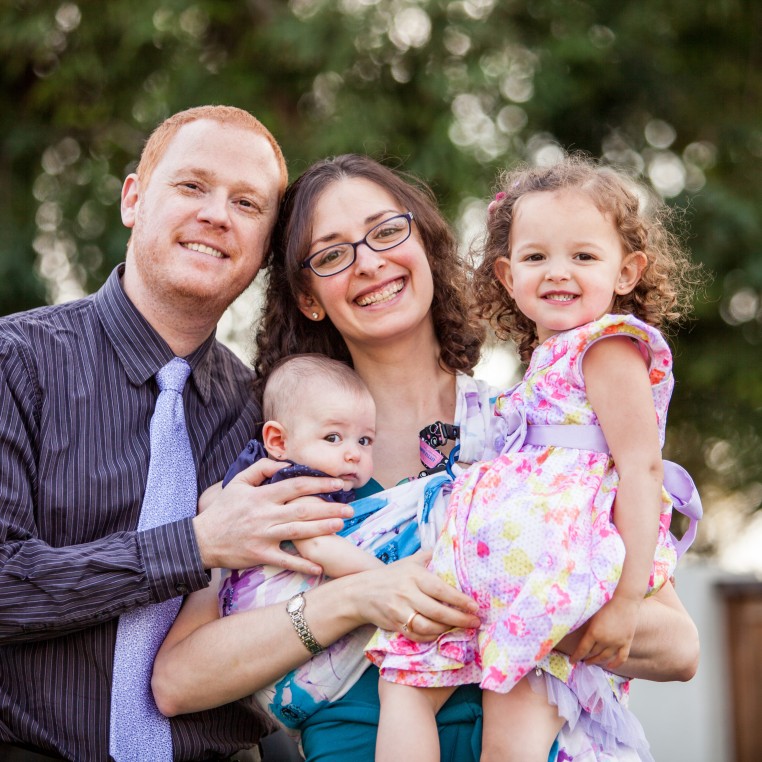
Easy Ways for Kids To Participate on Yom Kippur
Yom Kippur is known as the day of atonement and is considered by many to be the most important holiday in Judaism. What does such a momentous and solemn day mean for young children? How can we introduce and involve them in the holiday in an age appropriate manner?
-
-
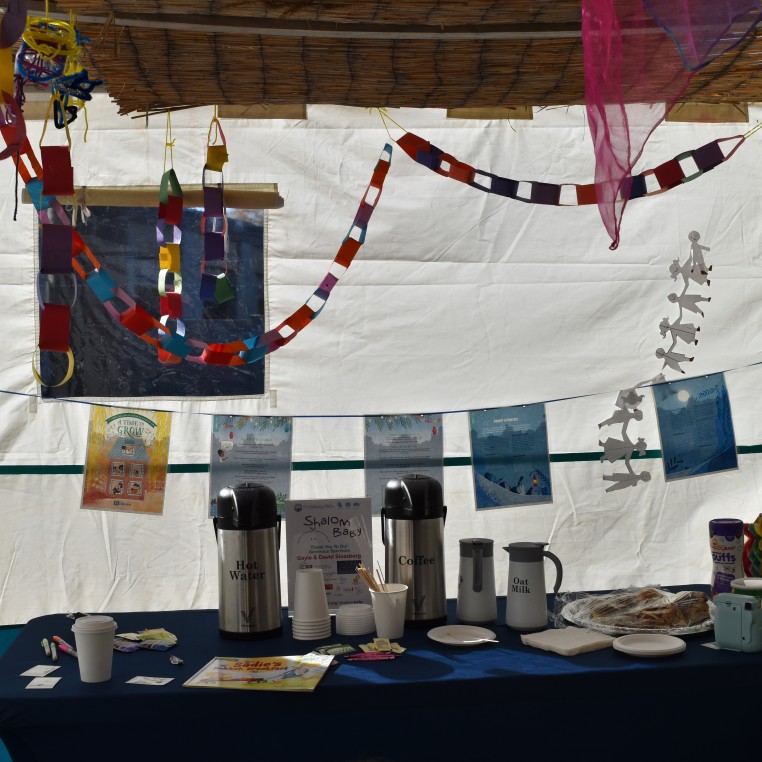
Celebrating Sukkot without a Sukkah
"How to creatively approach the fall harvest holiday, even if you can't build a hut."
-
-
How to Build a Sukkah With Your Family
One of the most fun, family-friendly, holidays in the Jewish calendar is just around the corner—Sukkot!
-
-
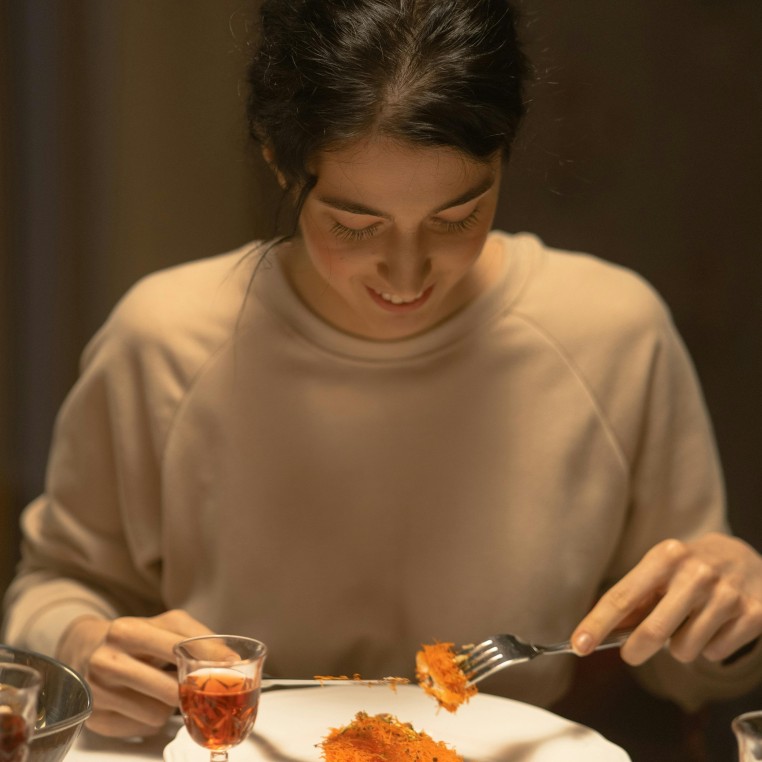
Easy Dinner Ideas to Enjoy In Your Sukkah
One of the most fun Sukkot traditions is eating meals outside in the sukkah. There are even traditional foods that go along with the holiday -- for example, many families enjoy stuffed items like grape leaves, cabbage, and kreplach, to name a few.
-
-
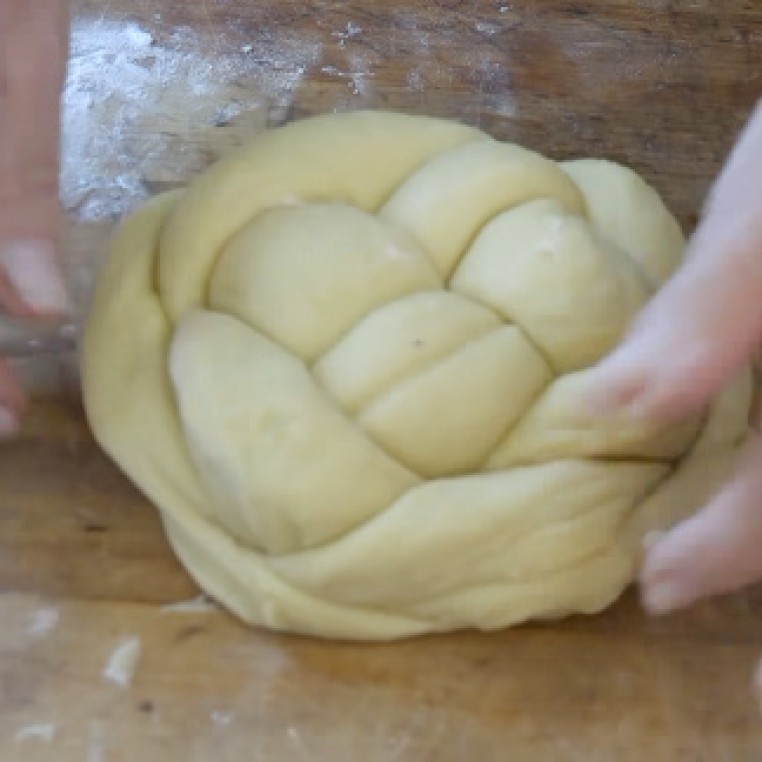
Braid a Round Challah
Challah is usually shaped in a simple long braid, but you can turn any challah into a special Rosh Hashanah bread by braiding it in the round.
-
-
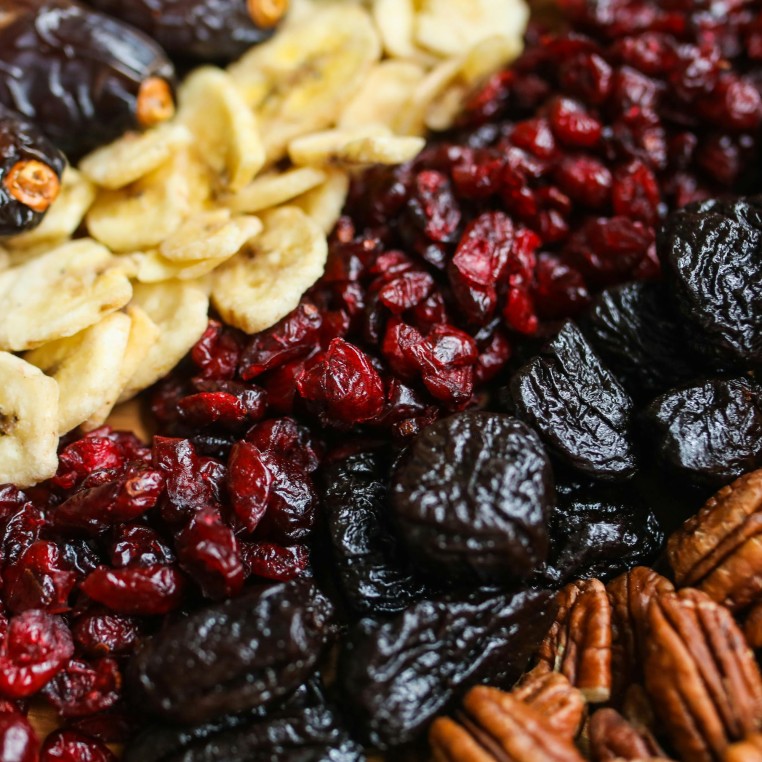
Snacks for the Sukkah
Sukkot is almost here! It’s a time when we shake the etrog and lulav and invite guests over to spend time with us in our sukkahs.
-
-
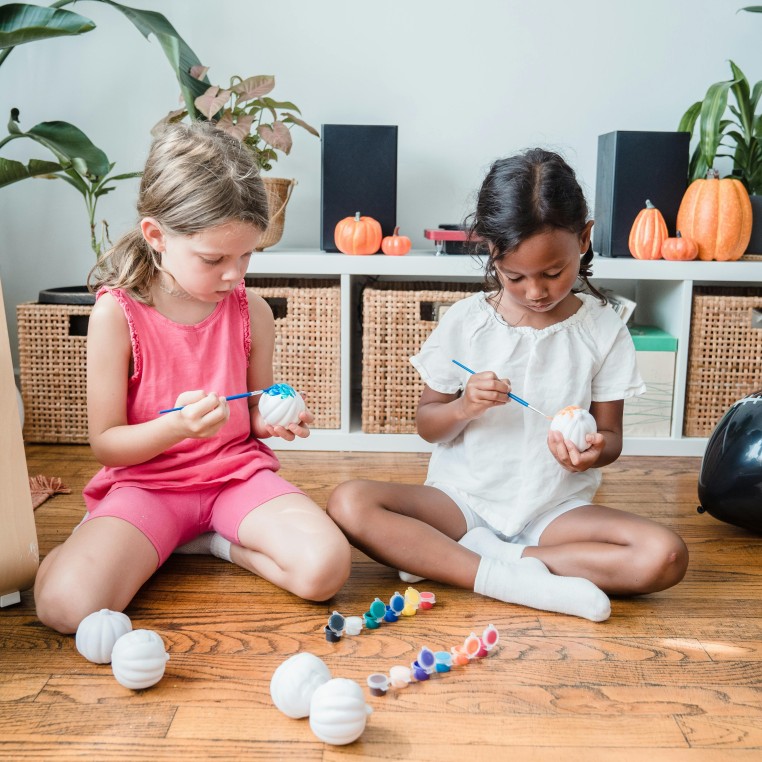
7 Super Quick And Easy Sukkot Activities
"Here are seven fun, quick, and easy Sukkot activities to do with your family to decorate, learn more, and celebrate at home."
-
-
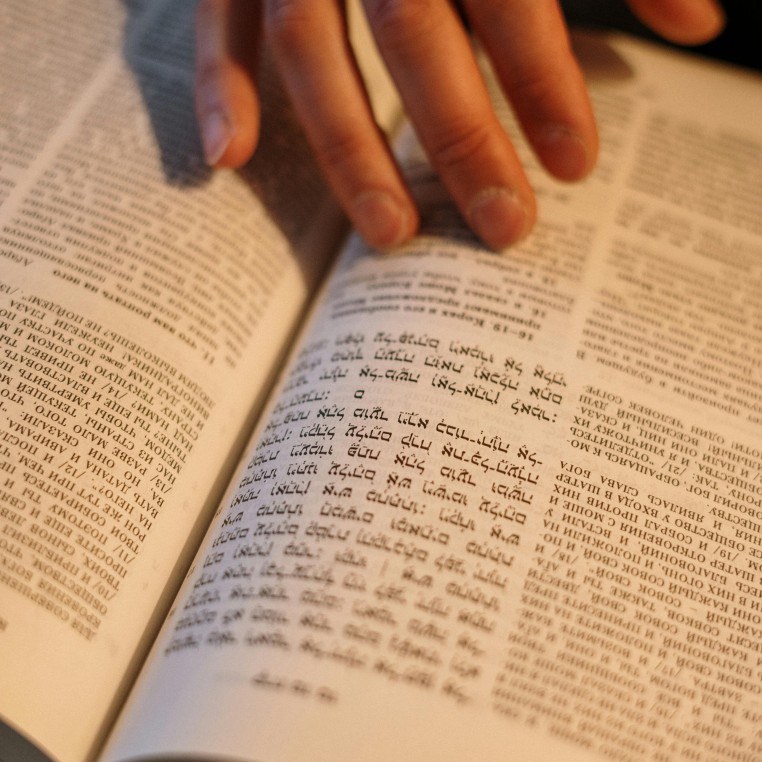
Rejoicing with the Torah
"The Jewish fall holidays end with one last celebration: Simchat Torah – 'Rejoicing with the Torah.' Torah means “teaching” in Hebrew. The word is used to describe the first five books of the Bible that tell the story of the Jewish people."